

Why Sara Vezensek Walked Away from a High-Paying Life to Build Real Freedom As An Entrepreneur – The Nourished CEO Episode 52


Would you walk away from a life that looked like your dream on paper?
In this episode, I’m joined by Sara Vezensek, and her story is one that I think many high-achieving women will resonate with.
Sara went from growing up in Slovenia, where the luxury world felt like something out of a movie, to living what most people would call the ultimate success story — working on superyachts, flying private, managing million-dollar deals, and earning incredible money at a young age.
But behind all of it, she felt trapped, constantly on call, and disconnected from the freedom she thought success would bring.
We dive into how she walked away from that life and built a business on her own terms — one rooted in freedom, ownership, and intentional growth.
Sara breaks down how to create messaging that actually converts (without needing a massive audience), how to simplify your content strategy, and how to stop trading time for money by building scalable, high-impact offers.
LISTEN TO THIS EPISODE OF THE NOURISHED CEO PODCAST
Or listen and subscribe for free on your favorite app: Apple Podcasts | Spotify | YouTube Music
Sara Vezensek Made Great Money, But It Wasn’t Worth Losing Her Freedom
Sara’s early career is something most people would envy.
She was working as a private chef on superyachts, traveling the world, flying private, managing high-level clients, and making more money than most people her age. It was the kind of life that, from the outside, looks like you’ve “made it.”
But what she shared, and what I think is so important, is that none of that translated into actual freedom.
She was constantly on call. Her time wasn’t her own.
And despite the income and the experiences, she felt deeply disconnected from the life she thought she was building.
This is something I see a lot in the online business space too.
You can hit income milestones, grow your audience, and technically “succeed,” but still feel like your business is running you.
That disconnect is usually a sign that the structure of your business, not your work ethic, is the real issue.
Why Making More Money Doesn’t Automatically Create A Freedom-Based Business
One of the biggest misconceptions in entrepreneurship is that more money equals more freedom.
It doesn’t.
If your business model requires your constant presence, more money often just amplifies the pressure.
You end up with more responsibility, more expectations, and less space to step away.
That was the turning point for Sara.
She realized that what she actually wanted wasn’t just financial success, it was ownership over her time, her decisions, and her life.
And that required building something completely different.
This is where the idea of a freedom-based business really matters.
It’s not just about how much you make. It’s about how your business is designed to support or restrict your lifestyle.
You Don’t Need a Huge Audience to Build a Profitable Freedom-Based Business
This is one of the most important parts of our conversation, especially if you’ve been feeling stuck trying to grow your audience.
There’s been this long-standing belief that you need massive visibility to make meaningful income online. That you need thousands of followers, viral content, and constant growth.
Sara completely challenges that.
She shared examples of clients making significant income with very small audiences, including one who reached $10K months starting with just 69 followers.
That’s not about luck, it’s about clarity.
When your messaging is specific and actually speaks to the person you’re trying to reach, you don’t need volume. You need resonance.
And honestly, I’ve seen the same thing in my own business. The people who convert are not necessarily the ones engaging publicly.
They’re the ones quietly paying attention and waiting for the right message to land.
The Content Strategy That Actually Leads to Sales
A lot of entrepreneurs approach content as a visibility tool.
They focus on trends, formats, and trying to get attention. But attention alone doesn’t create clients.
What Sara teaches—and what I completely agree with—is that content should function more like a structured sales system.
Instead of guessing what to post, she encourages her clients to start with their signature process.
Every service provider already has one, whether they’ve formalized it or not. It’s the set of steps you take your clients through to get them results.
Once you identify those steps, they become your core content topics.
From there, you create what she calls “aha moments”—specific, real-life experiences your ideal client is having.
Not generic problems, but actual moments they recognize themselves in.
For example, instead of saying, “Are you struggling with consistency?” you describe the exact scenario where they’re sitting down to create content and drawing a blank.
That level of specificity is what makes people feel understood. And when someone feels understood, they’re much more likely to trust you.
Why Content Alone Doesn’t Convert In A Freedom-Based Business
This is where a lot of people get stuck.
They assume that if they just create better content, the sales will follow. But content is only one part of the process.
As Sara pointed out, content creates awareness and interest, but conversion happens through conversation.
That might be in your DMs, on a sales call, or in whatever sales process you use. But there has to be a step where you’re actually guiding someone toward a decision.
This is especially important in today’s market, where people are more skeptical and more discerning.
They’re not just buying because something looks good. They’re buying because they feel confident in the person and the process.
The Shift From Selling Time to Selling Transformation
One of the most impactful parts of this conversation was around moving beyond one-on-one work.
And to be clear, I’m not anti one-on-one. It’s often the best place to start because it helps you refine your process and understand what actually works.
But staying there long-term creates limitations.
There are only so many hours in a day, and if your income is tied directly to those hours, you will eventually hit a ceiling.
What Sara teaches is how to take your existing process and package it into something scalable.
That doesn’t mean removing support or becoming completely hands-off. It means shifting the focus from “access to you” to “access to your method.”
You can still include touchpoints like coaching calls or support, but the core value comes from the transformation you provide, not the number of hours you’re available.
Why Real Transformation Requires More Time
Another thing that came up in this conversation is the importance of longer-term containers.
So many offers in the online space are designed around quick wins. Fast results. Immediate gratification.
But the reality is that meaningful, lasting change takes time.
Sara emphasizes creating offers that allow for that depth, whether that’s six months, twelve months, or longer depending on what you do.
This not only leads to better client results, but it also creates more stability in your business.
Instead of constantly needing new clients, you build retention. And that changes everything.
Simplicity Is the Real Growth Strategy for a Freedom-Based Business
If there’s one theme that runs through everything Sara teaches, it’s simplicity.
And I’ll be honest… this is where most people struggle. Myself included!
It’s very easy to get caught up in doing more. More content, more strategies, more tools, more complexity.
But more doesn’t always lead to better results.
In fact, it often creates more confusion and less consistency.
What actually moves the needle is focusing on the fundamentals:
Clear messaging. A strong offer. Consistent sales activity.
Those are the things that generate revenue. Everything else is secondary.
Being Busy Isn’t the Same as Being Profitable
This was one of my favorite moments in the conversation because it’s such an important reminder.
“Being busy does not make you money.”
You can fill your calendar, spend hours creating content, tweak your website, and feel like you’re working hard, but if those activities aren’t tied to revenue, they’re not actually growing your business.
This is where taking a step back and evaluating how you’re spending your time becomes really valuable.
Are you focusing on what’s comfortable, or what actually drives results?
Final Thoughts: Building a Freedom-Based Business That Supports Your Life
Sara’s story is such a clear example of what happens when you prioritize alignment over appearance.
She walked away from something that looked successful because it didn’t give her what she actually wanted.
And that’s a decision more entrepreneurs need to be willing to make, at least on some level.
Because the goal isn’t just to make money.
It’s to build a business that allows you to live your life the way you want to live it.
If your current business feels heavy, restrictive, or unsustainable, that doesn’t mean you’re doing something wrong. It just means something needs to be redesigned.
And the good news is, you get to decide what that looks like.
Ready to build a business that actually feels sustainable?
If you want to stop forcing a one-size-fits-all model and discover how your natural wiring shapes your strategy and offers, take the “What’s Your CEO Type?” quiz to lead your business with more ease.
Stop the burnout and start growing a values-aligned business that actually supports your real life. View the high-touch coaching options.
This post may contain affiliate links. If you click on a link and make a purchase, I may receive a small commission.

Most business advice assumes everyone should sell, lead, and grow the same way. They shouldn’t.
Your CEO Type helps you see where you create the most value, how you make decisions, and which work fits you best.
The goal isn’t to remove you from the business. It’s to keep you focused on the work where your expertise matters most and build the rest on purpose, so growth doesn’t require more of your time.
Take the free quiz to discover your CEO Type, your natural strengths, and where your business might be asking too much of you.
Build a Better Business by Understanding How You're Actually Wired to Lead
take the quiz
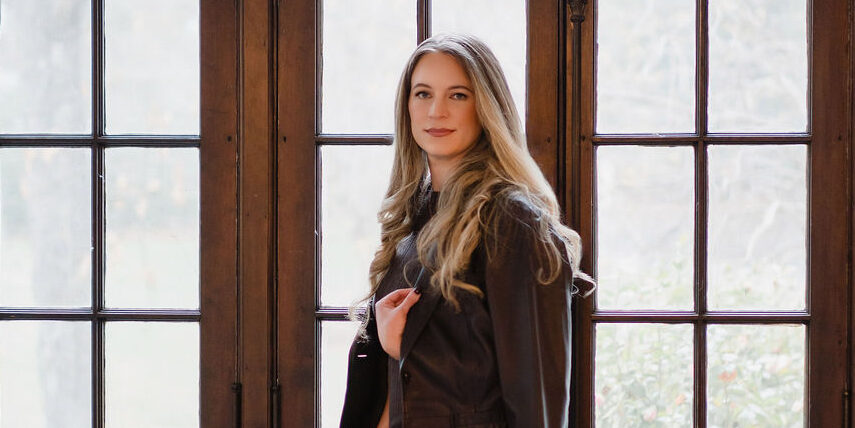


I'm a strategic advisor and diagnostic thinker obsessed with helping established coaches and experts build businesses that actually fit who they are, so they can keep more of what they earn and stop swimming against the current in their own business.
Glad you're here.
Hi, I'm Laura Schoenfeld
The brain behind the blog
